Advanced Perimeter Security for a Singapore Data Centre

by Louise Seager

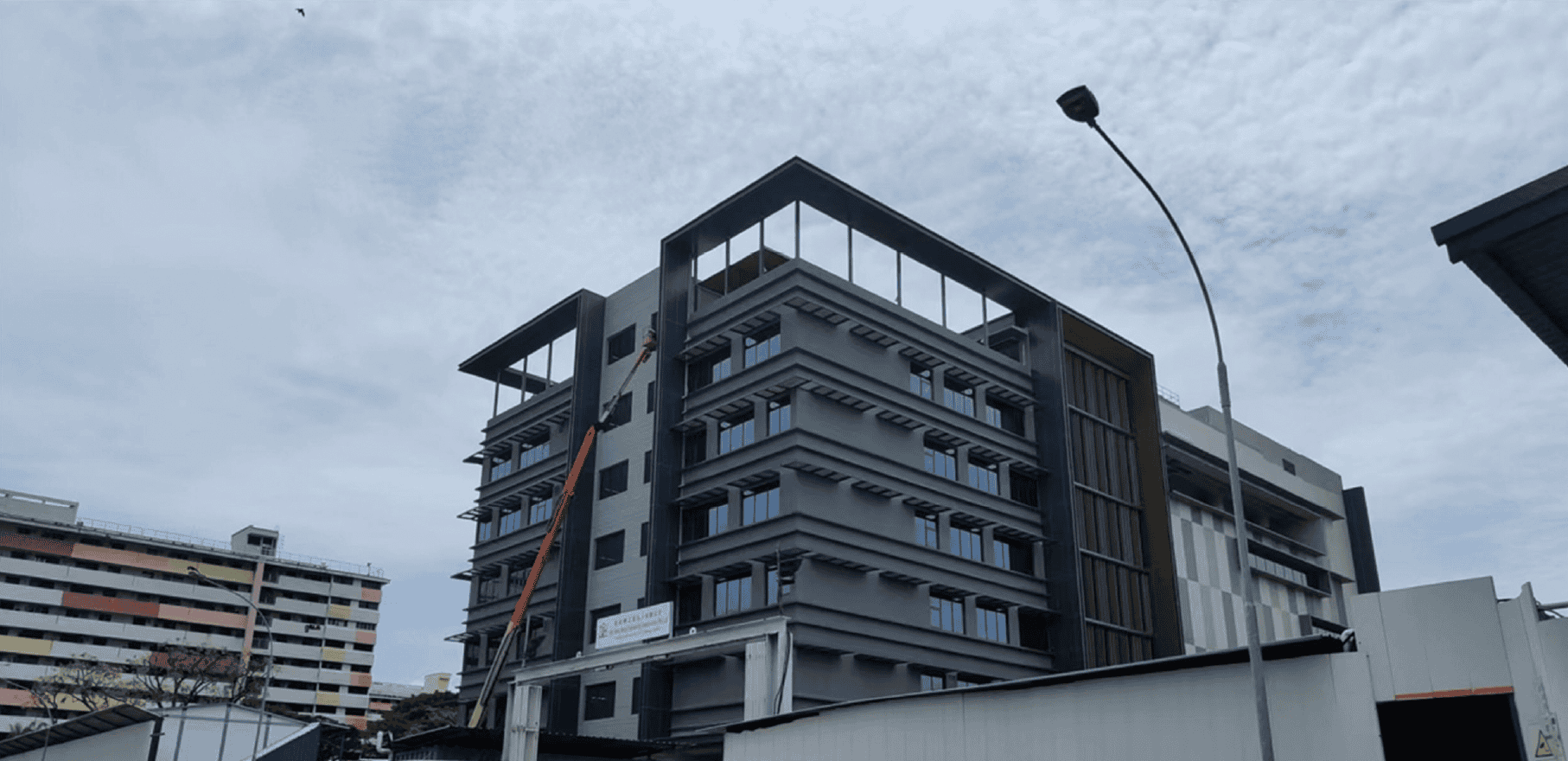
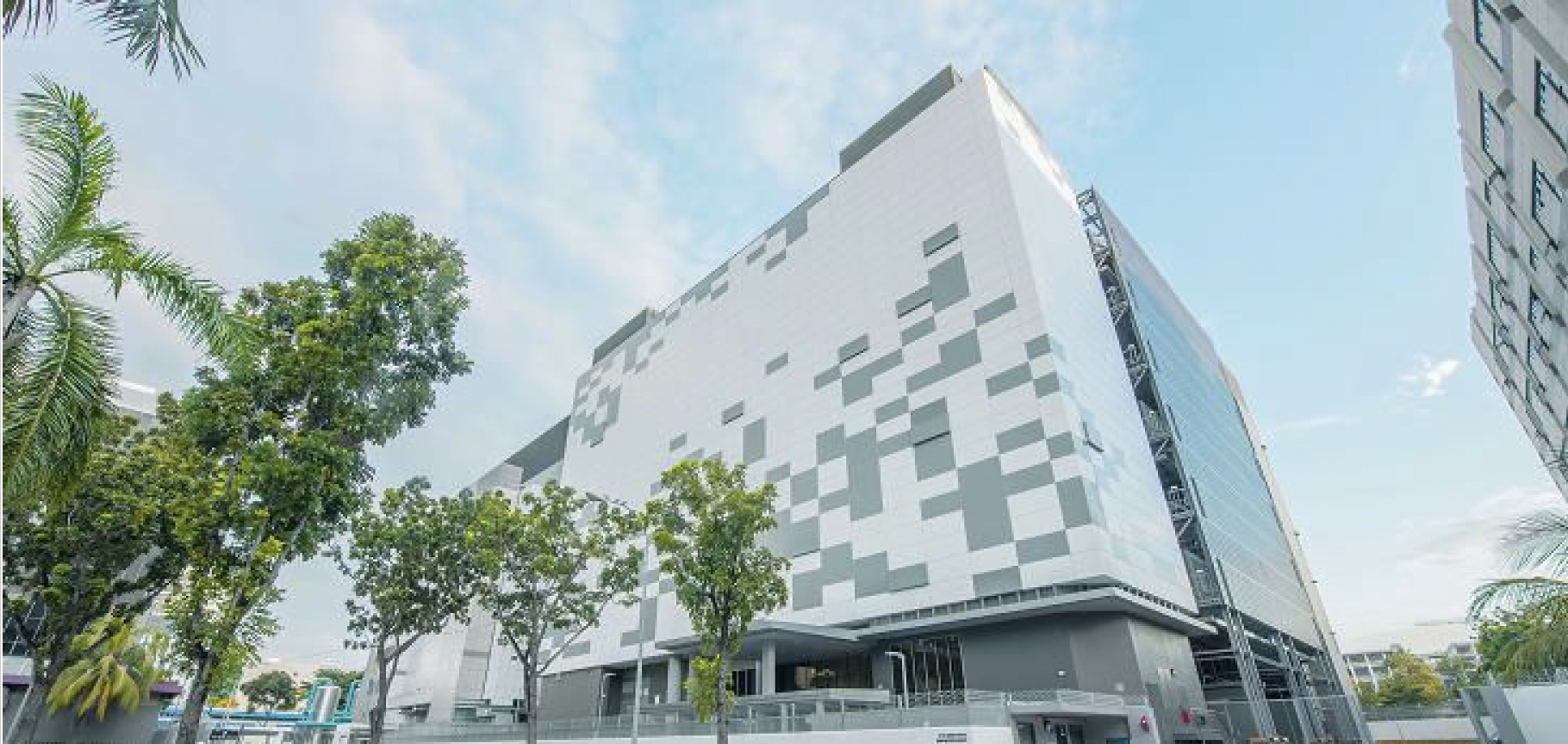
Data centres sit at the heart of today’s digital infrastructure, supporting cloud services, connectivity, and global communications. Protecting these environments requires more than conventional perimeter security; it demands continuous, reliable monitoring with rapid response capability.

For a leading global telecommunications provider in Singapore, securing a critical data centre meant implementing a solution capable of detecting intrusion attempts in real time while maintaining operational continuity.

Bandweaver deployed its FenceSentry Distributed Acoustic Sensing (DAS) system, using fiber optic cable to deliver continuous monitoring along the entire perimeter. The system detects and precisely locates events such as climbing, cutting, or tampering, while advanced signal processing minimises nuisance alarms in a complex operational environment.

Integrated with MaxView software, the solution provides operators with clear visualisation, accurate alarm location, and the tools needed for rapid verification and response, ensuring the highest levels of security and reliability for critical digital infrastructure.

The result is a scalable, low-maintenance perimeter security solution that delivers full coverage, reduces risk, and supports uninterrupted data centre operations.

Read the full case study here.

Securing Critical Police Infrastructure in Singapore with Fiber Optic Sensing

by Louise Seager

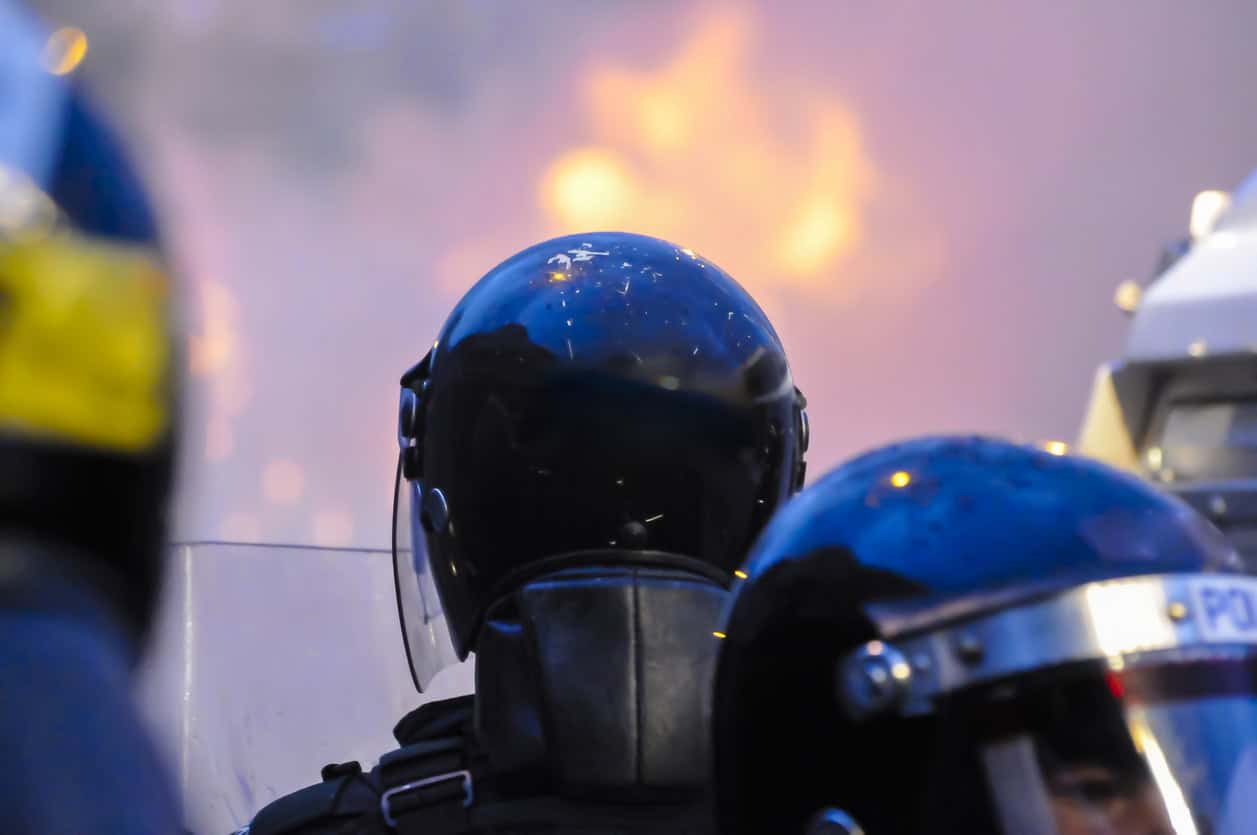
Protecting police infrastructure requires more than conventional perimeter security. For the Singapore Police Force (SPF), ensuring continuous monitoring, rapid response, and operational resilience across a highly urbanised environment was essential.

For a newly constructed police station, SPF required a solution capable of delivering real-time intrusion detection across the entire perimeter, with precise event location and minimal nuisance alarms.

Bandweaver deployed its FenceSentry Distributed Acoustic Sensing (DAS) system, using fiber optic cable as a continuous sensor along the boundary fence. This enabled accurate detection of intrusion attempts such as climbing, cutting, or tampering, with location accuracy of less than 5 metres.

Integrated with MaxView monitoring software, the system provides operators with clear visualisation, real-time alerts, and the tools needed for rapid assessment and response, ensuring the highest levels of security and situational awareness.

The result is a robust, low-maintenance perimeter security solution that delivers continuous protection, reduces risk, and supports the safe operation of critical law enforcement infrastructure.

Read the full case study here.

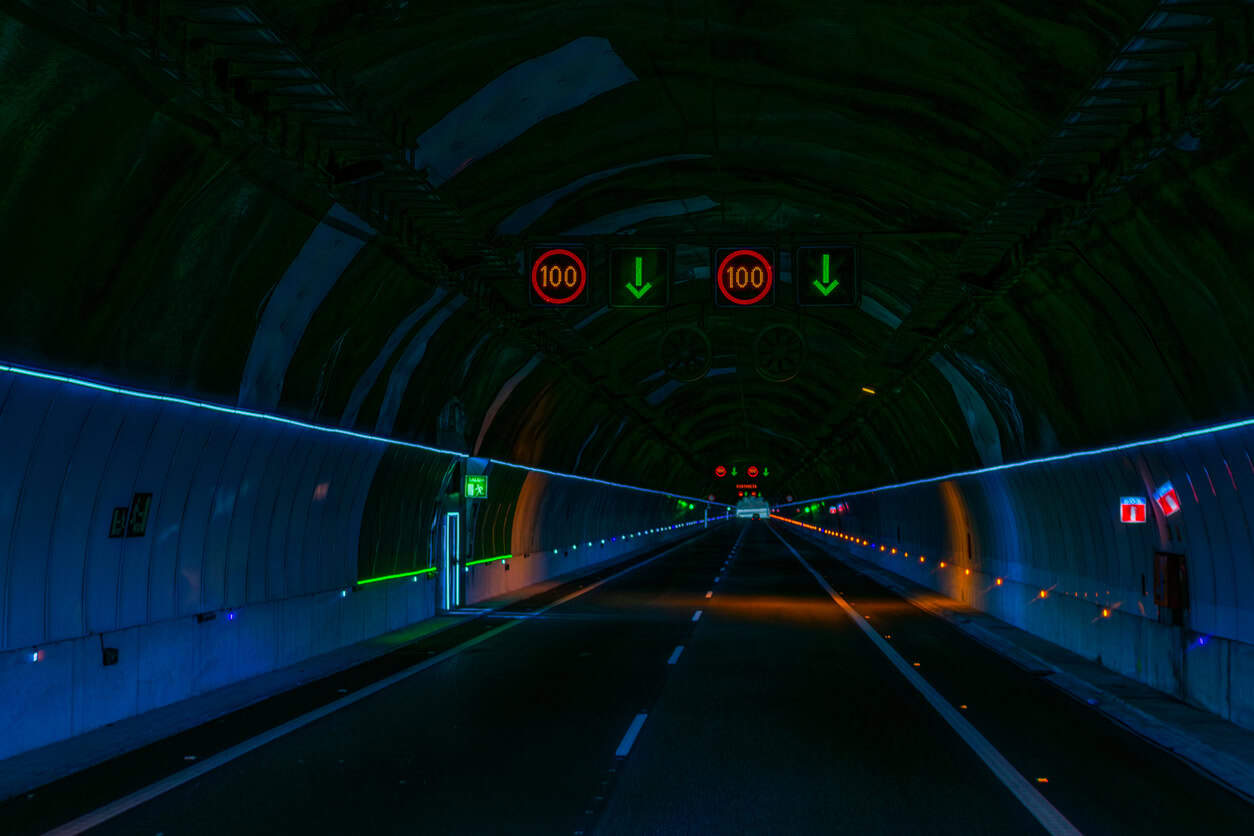
Seconds Matter: Automating Fire Detection and Suppression in Road Tunnels

by Louise Seager

Road tunnel fires can escalate rapidly, creating severe risks for tunnel users and infrastructure. Fast, reliable detection combined with an immediate, automated response is critical to controlling incidents before they develop into major events.

In this upcoming webinar, Bandweaver Technology and RAETwill explore how fully automated fire detection and suppression systems can dramatically improve fire response in road tunnels. Drawing on real-world projects delivered jointly by RAET and Bandweaver, the session will demonstrate how advanced detection technologies, integrated control systems and targeted suppression can work together to detect fires early and activate suppression within seconds.

We will discuss the practical benefits of integrated tunnel fire protection systems, including improved response times, more effective suppression, and enhanced safety for tunnel users.

The webinar will also provide insights into how detection systems integrate with SCADA and tunnel control systems, enabling a coordinated and automated response to fire incidents.

Date: 12th May 2026

Time: 10AM UTC

New Critical Edge Mini-Series: Fire Regulations Explained

by Louise Seager

Fire regulations shape the way buildings are designed, protected, and operated – but how well do we really understand the system behind them?

In the latest edition of The Critical Edge, we launch a five-part mini-series unpacking the full regulatory landscape. From UK legislation and policy oversight to standards bodies, enforcement, and the role of insurers, the series explores how fire safety rules are created – and how they influence real-world system design.

Future episodes examine how new technologies enter the regulatory framework, what lessons can be drawn from major incidents such as the Luton Airport car park fire, and how international approaches — including performance-based models in the Netherlands – compare with the UK.

The goal isn’t simply to discuss compliance, but to explore the gap between minimum standards and true resilience.

As risks evolve and infrastructure becomes more complex, understanding regulation has never been more important.

Watch episode 1 here.

New Contract Win: Successful POC Leads to LHD Award with Zoho

by Louise Seager

We’re delighted to announce a contract win with Zoho Power Photonix, following a successful proof-of-concept (POC) deployment using our Bandweaver Demo Unit.

Zoho, a leading IT company, engaged with us to test our fiber optic systems. Through dedicated support and exceptional service during the POC phase, we demonstrated not only the technical strength of our solution but also our commitment to customer success.

As a result, Zoho has awarded a contract for the installation of a Linear Heat Detection (LHD) system in one of their corporate towers. The scope covers comprehensive fire-monitoring protection within the building environment — and we’re pleased to share that there is potential to roll out this solution across additional Zoho campuses and IT centres in the future, extending our footprint with this forward-thinking customer.

This win underscores the value of trusted technology partnerships and Bandweaver’s capability to deliver solutions that exceed customer expectations.

Celebrating Ryan da Costa’s Promotion to Project Manager

by Louise Seager

We’re excited to share the news that Ryan da Costa has been promoted to Project Manager within our Operations team!

Ryan has over a decade of engineering experience spanning agrochemical manufacturing, engineering services, and electrical/electronic manufacturing. Since joining Bandweaver, he has been instrumental in leading critical DTS (Distributed Temperature Sensing) projects and ensuring seamless delivery across customer engagements. His commitment to excellence, deep technical knowledge, and relentless customer focus make him a standout leader and a trusted point of contact for complex project delivery.

In his new role, Ryan will continue to drive excellence in project execution while taking on broader responsibilities across our expanding portfolio of solutions. Please join us in congratulating Ryan on this well-deserved promotion!

There’s More to Smart Detection than AI – What Actually Improves Responses?

by Louise Seager

AI-powered detection systems have become a major talking point in fire safety and industrial monitoring due to rapid advancements. “Smart detection” using AI video analytics is marketed as promising faster alerts and automated analysis using cameras trained to recognise smoke, flame, or abnormal behaviour. Systems are being deployed across infrastructure, industrial sites, and transport; however, detection technology should be judged by how effectively it improves response, not just by how advanced it appears.

Real-world environments introduce complexities that challenge any single detection method, raising the question: is AI alone enough to improve detection reliability and response times? The answer appears to be no, driving interest in integrating technologies that will truly improve detection. To understand why, it helps to look at both the strengths and limitations of AI-based detection systems.

Where AI cameras work well

To detect a fire, AI-powered video analytics use machine learning models trained on thousands of visual scenarios. Systems analyse camera feeds in real time to identify patterns associated with fires, meaning AI cameras can provide wide-area visual coverage, contextual awareness and remote monitoring capabilities.

In environments with clear visibility and stable lighting, AI systems can detect developing fires earlier than traditional detectors. They’re also incredibly valuable for monitoring large open areas, providing visual confirmation of incidents and supporting situational awareness for operators. But while AI performs well in controlled or visually clear environments, many real-world conditions introduce challenges.

Where AI struggles in real environments

AI detection relies entirely on visual input, meaning performance depends on what the camera could actually see. Several factors can reduce reliability, such as smoke obscuring the camera view; poor or changing lighting conditions; dust, fog, or environmental contamination; and physical obstruction/occlusion. Cameras mean maintenance, requiring regular cleaning, reliable positioning and calibration, and ongoing model training and tuning. AI systems operate on probabilistic detection, calculating the likelihood that something is smoke or flame, rather than measuring the event directly. This can very easily lead to false alarms, missed detections, and delayed alerts when visual evidence is unclear – especially when systems are newer. This is where alternative detection approaches, particularly those based on physical measurement rather than visual interpretation, play an important role.

How physics based detection with fiber optic sensing works

Distributed fiber optic sensing technologies measure physical changes along a fiber optic cable, such as temperature. Using techniques like Distributed Temperature Sensing (DTS), a single fiber can act as a continuous temperature sensor over many kilometres. The system sends light pulses through the fiber and analyses the backscattered signal to determine temperature changes along its entire length. This enables operators to detect abnormal temperature increases, identify the exact location of thermal events, and monitor large assets continuously.

Unlike cameras, the system does not rely on visibility or environmental conditions. Fiber optic sensing operates reliably in smoke-filled environments, complete darkness, and dusty or hazardous industrial areas. The fundamental difference lies in how these technologies detect events.

Deterministic vs probabilistic detection

One of the key differences between AI-based detection and physics-based sensing lies in how each system identifies an event.

AI video analytics operate on a probabilistic model. Machine learning algorithms analyse visual data and estimate the likelihood that what they are seeing represents smoke, flames, or another abnormal condition. The system essentially asks: “How similar is this visual pattern to examples of fire or smoke?”

This approach can be very effective when visual conditions are clear and the scenario closely resembles the data used to train the model. However, because it relies on interpretation, the output is always based on probability rather than direct measurement. Factors such as lighting variation, visual obstructions, dust, or steam can affect how confidently the system classifies an event.

Physics-based detection systems work differently. Technologies such as distributed fiber optic temperature sensing operate on a deterministic principle, meaning they measure physical changes directly rather than interpreting images. A fiber optic cable acts as a continuous temperature sensor along its length, detecting measurable thermal changes and identifying exactly where they occur.

Instead of estimating whether an event might be occurring, deterministic sensing answers a more direct question: Is there a measurable temperature rise consistent with a developing thermal event?”

Both approaches provide valuable information. Probabilistic systems offer situational awareness and visual context, while deterministic systems provide precise physical measurements and location data. Understanding the distinction helps explain why many safety strategies now combine the two.

The shift toward hybrid detection

Rather than replacing one technology with another, many operators are now moving toward hybrid detection strategies that combine multiple sensing approaches.

In complex environments such as industrial facilities, transport infrastructure, or tunnels, no single detection technology can cover every possible scenario. Visual systems can provide wide-area monitoring and allow operators to see what is happening in real time, while fiber optic sensing can deliver continuous thermal monitoring along critical assets.

By integrating these technologies, operators gain a more complete picture of developing risks. For example, distributed temperature sensing can detect abnormal heat developing along a cable run, conveyor, or tunnel ceiling long before flames or smoke become visible. At the same time, video systems can provide visual confirmation and situational awareness once an alert is triggered.

This layered approach offers several advantages. It helps reduce blind spots where one system might struggle, improves confidence in alarms, and allows operators to respond with more accurate information about what is happening and where.

As infrastructure becomes larger and more complex, the industry is increasingly recognising that smart detection is not about choosing one technology over another but about combining the strengths of different systems.

What actually improves emergency response

Ultimately, the goal of any detection system is not simply to identify an event; it’s to enable faster, more effective responses.

In safety-critical environments, the difference between early warning and delayed detection can be significant. Detecting abnormal heat, friction, or electrical faults at an early stage allows operators to intervene before conditions escalate into a fire, major equipment failure, or operational shutdown.

This is why the most effective detection strategies focus on delivering clear, actionable information. Technologies that provide continuous monitoring and precise location data allow teams to quickly identify where an issue is developing, investigate the cause, and take corrective action. At the same time, visual systems can provide the wider context needed to confirm events and coordinate responses across large or complex facilities.

As detection technologies continue to evolve, the industry is increasingly recognising that “smart” detection is not defined by AI alone. The real value lies in how different technologies work together to deliver faster detection, better insight, and more confident decision-making when it matters most.

For organisations responsible for protecting critical infrastructure, the question is no longer whether to use AI or physical sensing but how to combine the right technologies to strengthen overall detection and response capabilities.

If you’re exploring smarter fire detection strategies for complex environments, learn more about how distributed fiber optic sensing can support earlier detection and faster responses: https://www.bandweaver.com/fiber_optic_sensing_technology/distributed-temperature-sensing/



FireLaser DTS Selected by Royal IHC for Subsea Umbilical Temperature Monitoring

by Louise Seager

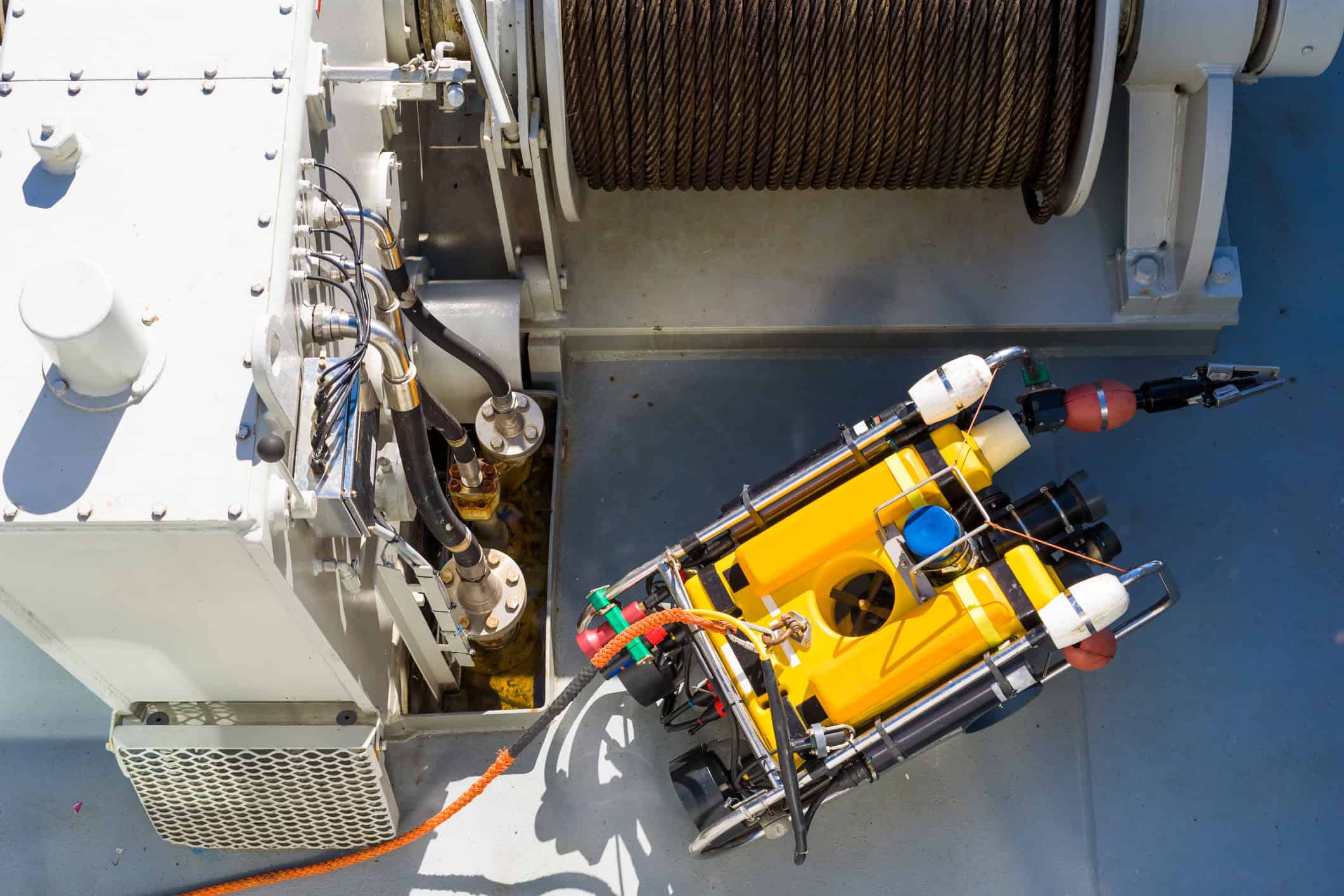
We are pleased to announce a new contract award with Royal IHC for the deployment of a FireLaser Distributed Temperature Sensing (DTS) system on a subsea umbilical monitoring project.

For an upcoming offshore project, Royal IHC required continuous temperature monitoring of a 3km umbilical used to control a subsea ROV (Remotely Operated Vehicle). Given the critical role of the umbilical in transmitting power and control signals, thermal integrity is essential to ensure operational reliability and asset protection in demanding marine environments.

Bandweaver’s FireLaser DTS system will provide:

  1. Continuous, real-time temperature monitoring along the full 3km length
  2. High-resolution thermal profiling to detect developing hotspots
  3. Early warning of abnormal thermal events
  4. Robust performance in harsh offshore conditions

FireLaser’s distributed sensing capability makes it ideally suited to long, mission-critical assets such as subsea umbilicals, where traditional point sensors cannot provide full-length coverage.

This award further demonstrates Bandweaver’s capability to deliver advanced fiber optic monitoring solutions across offshore and subsea applications. We look forward to supporting Royal IHC on this project and continuing to expand our presence within the marine sector.